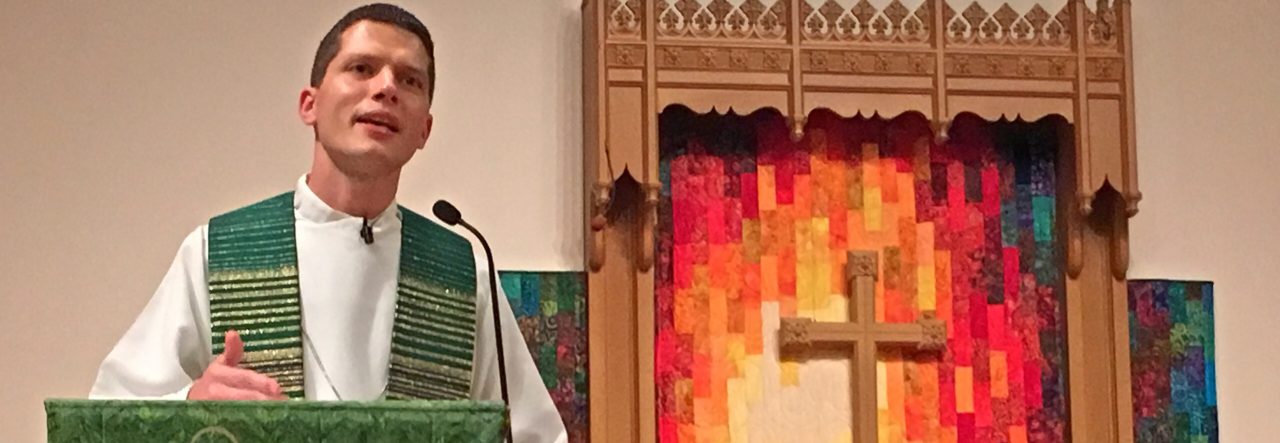
Good morning! Today we start the short book of “Lamentations”, which is reportedly the laments of Jeremiah at the start of exile. Chapters 1-2, like throughout the rest of the book, place the focus on the conditions in Jerusalem after the exile. As one author writes, “The vividness and local color found in this book, as well as the freshness and intensity of feeling expressed in it, suggest that the author was a Judean survivor remaining behind in the land and writing in close proximity to the catastrophic demise of the nation in 586 B.C.E.” After all hope of changing ways has passed, this text focuses on just lamenting the way things have turned out.
Author: Oby Ballinger
Jeremiah 52
Good morning! Today’s passage (Jerusalem 52) is a lighter one, but only in terms of length. This epilogue of sorts connects the description of Jerusalem’s destruction (which we’ve heard detailed before) with a snippet of life in Babylon.
Jeremiah 50-51
Good morning! Yesterday we heard oracles of divine judgment against a variety of nations. Today that theme continues, but focuses exclusively on Babylon. Jeremiah 50-51 shows a comprehensive condemnation of Babylon as it’s overwhelmed by a new power from “the north”, with corresponding consequences for the people of Israel who are captive in Babylon.
Jeremiah 47-49
Good morning! Today and tomorrow in Jeremiah we have a series of “oracles against the nations”. One civilization after another receives rebuke for various sins, and we hear how God will send destruction their way. It’s only sometimes spelled out explicitly, but we are to understand that the Babylonians who visit such misery on those they conquer are doing so as agents of God. This is how the writers of this portion of Scripture try to make sense of the fact that bad things are happening in a world where there’s an omnipotent divinity. God must be using these calamities that abound in the world—more, God must be orchestrating them. Therefore, Jeremiah can square why a good God with all the power in the world would still let bad things happen in it. Today in Jeremiah 47-49 we see this thinking deployed in prophecies against numerous nations, especially Moab.
Jeremiah 44-46
Good morning! Yesterday we journeyed along with Jeremiah through a variety of competing leaders in Judah, and then read how he was compelled against his will to go down to Egypt with the refugees there. Today we read his further denunciations of idolatrous Hebrew practices in Egypt, along with prophesies that Egypt too will fall to Babylon’s advancing forces.
Jeremiah 39-43
Good morning! Today’s reading (Jeremiah 39-43) covers a lot of ground (so to speak) with refugees from Jerusalem, describing what happens as and after Babylonian forces overwhelm the walls of the city. What most catches my attention on this reading is the absolute chaos that ensues after Jerusalem falls. One wishes this were required reading for any military commander contemplating “regime change”, as though it were as simple as replacing a lightbulb.
Jeremiah 36-38
Good morning! Prophets and kings have had rocky relationships for generations in the Hebrew Scriptures, going all the way back to Nathan confronting David about his treatment of Bathsheba and Uriah. At issue is the power that kings have over all their subjects (including prophets), and conversely, the unusual but essential liberties that prophets take to confront the powerful, even those with the ability to take their lives. Today in Jeremiah 36-38, we read how the prophet endured the consequences of conflict with the kings Jehoiakim and Zedekiah.
Jeremiah 33-35
Good morning! As today’s passage (Jeremiah 33-35) opens, we find the prophet confined to house arrest, likely because of disfavor with King Zedekiah. (More on him in a moment.) Imprisonment doesn’t hinder Jeremiah’s prophecy though, for either ill or good. He gives the residents of Jerusalem a preview of the coming slaughter by Chaldeans (another word for the Babylonians), but then a promise of restoration by God’s power. Jeremiah reiterates God’s faithfulness to the covenant with David—the idle musings of those who presume God abandoned Israel and Judah are entirely false.
Jeremiah 31-32
Good morning! Yesterday we recounted the history that led up to Jerusalem being captured by the Babylonians, and the Judean people taken mournfully into exile to Babylon. Today we jump ahead to a time seen by this same Jeremiah (or another seer in his name) of freedom from captivity and the Hebrew return to Jerusalem. Both chapters 31 and 32 contain descriptions of hope, God’s promises that will withstand even the most terrible calamities.
Jeremiah 28-30
Good morning! Let’s start today by remembering the broad historical context behind this part of the Hebrew Scriptures. After the divided kingdoms of Israel and Judah, Israel is overtaken by the Assyrians. Roughly a hundred years later, the Babylonians have defeated the Assyrians and conquered their old territories, then press further by conquering Judah and taking its elites into exile. It is this part of Hebrew history that Jeremiah lives through, but much of the book also has in mind what happened seventy years later: the Persians defeated the Babylonians and let (descendants of) the Hebrew exiles migrate to Judah as their ancestral heritage. Today’s passage (Jeremiah 28-30) has this context in mind as it describes a debate between prophets, and a concern for how the exiles are to assimilate (or not) once they are relocated to Babylon.

