Good morning! Today with Job 1-3 we start a section of poetic and wisdom books in the Hebrew Bible. These are less concerned with history or law, but rather ask the question of what “good life” looks like, and how human beings might pursue that wisdom. The book of Job focuses most directly on why bad things happen to good people. If God has the power to stop undeserved suffering, why do Job’s afflictions continue? Job refuses to consent to the idea that he must have done some secret sin that causes his suffering, and he also refuses to believe that God visits evil on people willy-nilly. He trusts that God has an answer, and he laments that God’s wisdom is hidden from him even though he’s undergoing such pain. This is a philosophical book, and the situation it presents in Job’s life may as well be a metaphor for any unjust suffering. Most of the book is poetry, with a prose introduction and epilogue. The poetic heart of the book is its rawest and most real. The prose story of Job’s life which bookends the poetry help to give a context and “container” within which to manage the deeply resonant emotions and truth of the middle. I’ll be very curious to read your impressions as we work through the book together.
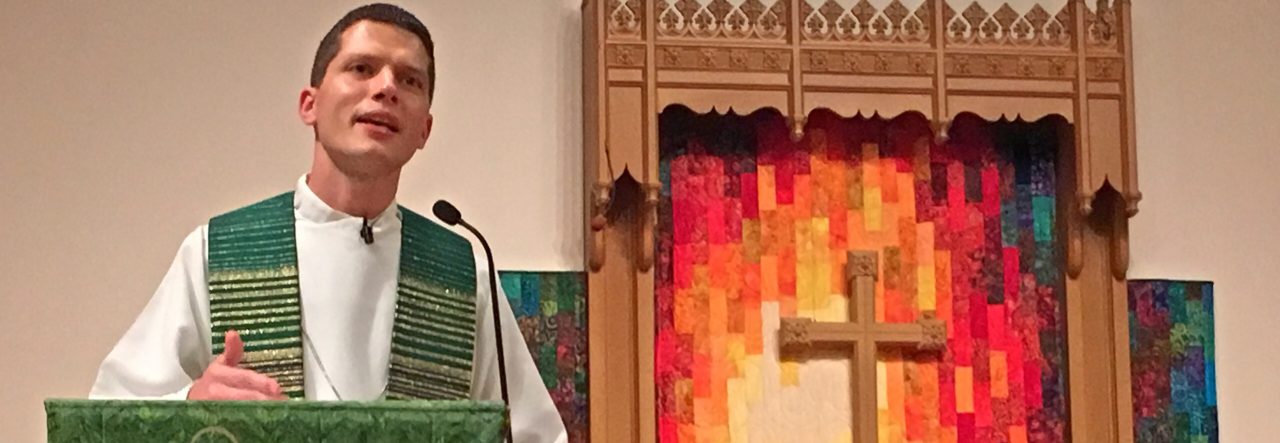
 Pastor Oby Ballinger